How to Dispose of Office Two-Way Radios in Dubai: Programming, Batteries and Licences
Reconcile every handset, have the radio administrator clear channels, IDs and encryption keys, update frequency licence records, separate battery packs and document the final handover.
A programmed radio still carries your channels, unit IDs and sometimes encryption keys; it is cleared by the radio administrator or dealer, not by switching it off.
If your organisation holds a frequency authorisation, the retirement is recorded with whoever manages that licence so the register matches the fleet.
Battery packs come off every handset, are checked for swelling and travel with protected terminals, separate from the radios and multi-unit chargers.
How do you dispose of office two-way radios in Dubai?
To dispose of office two-way radios in Dubai, reconcile every handset against the asset register, have the radio administrator remove channel programming, IDs and encryption keys, and update any frequency licence records. Separate battery packs, protect terminals, keep chargers matched, then document redeployment, dealer return or certified e-waste handover.
Radios live hard lives in security, facilities, hospitality and warehouse teams. They get dropped, shared across shifts and charged in banks of six at a time. That makes them easy to lose track of and easy to underestimate, because a radio left programmed can still listen to the channel your team uses tomorrow.
Count the fleet and settle ownership
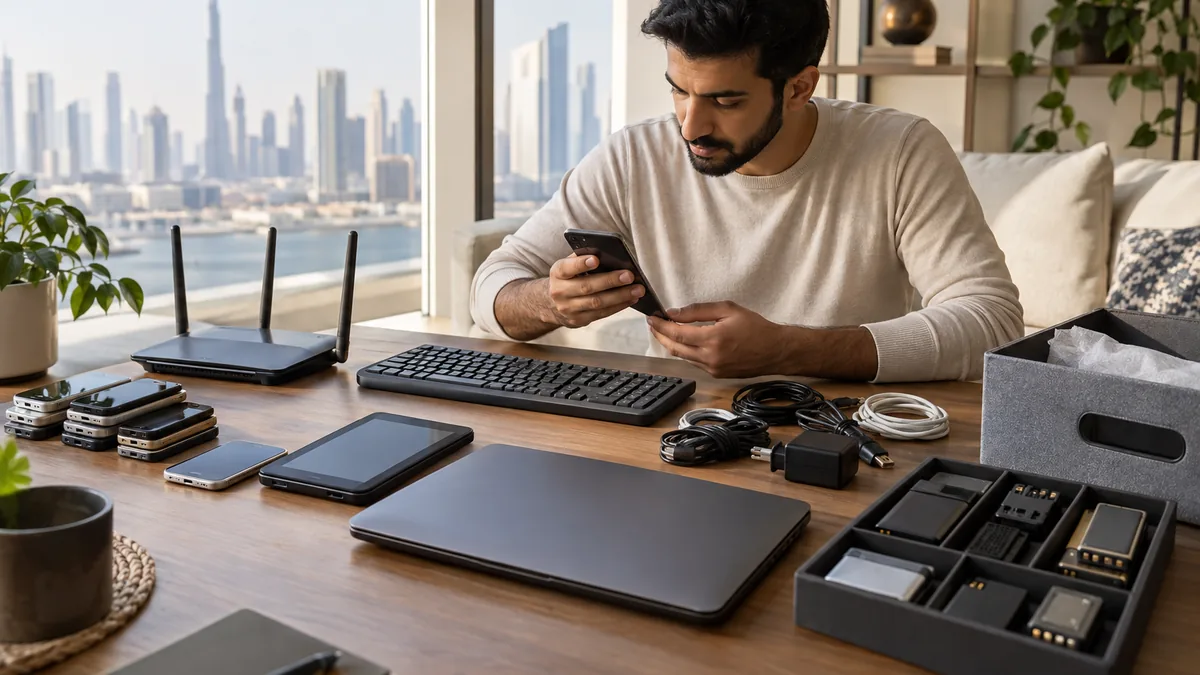
Start with a list: serial number, model, assigned team or shift, condition and whether the unit is owned, leased or supplied by a facilities contractor. Pull radios back from guard rooms, pool decks, car parks and lockers. Contractor-supplied handsets go back to the contractor under its agreement, not into your disposal load.
Collect the accessories at the same time: belt clips, antennas, multi-unit chargers, single cradles, speaker microphones and earpieces. Antennas are model-specific and a radio without one is close to worthless for reuse. Earpieces and in-ear kits are personal hygiene items and are normally discarded rather than passed on.
Clear programming, keys and licence records
Digital and analogue business radios are programmed with channel frequencies, talk groups, unit IDs and, on encrypted systems, security keys. Ask whoever manages the fleet, usually the dealer or an internal radio administrator, to reset each handset to a blank or factory codeplug with the programming software. A factory reset from the keypad, where one exists, does not always remove keys.
In the UAE, the Telecommunications and Digital Government Regulatory Authority (TDRA) oversees radio spectrum and equipment. If your organisation uses licensed frequencies, tell the person who manages that authorisation that the units are being retired so licence and equipment records stay accurate. Licence-free consumer radios used for small events usually need no such step.
Do not sell radios still programmed
A handset with your channels still loaded lets the next owner hear security, guest or delivery traffic. Clear it first, then record who cleared each serial number and when.
Separate and check every battery pack
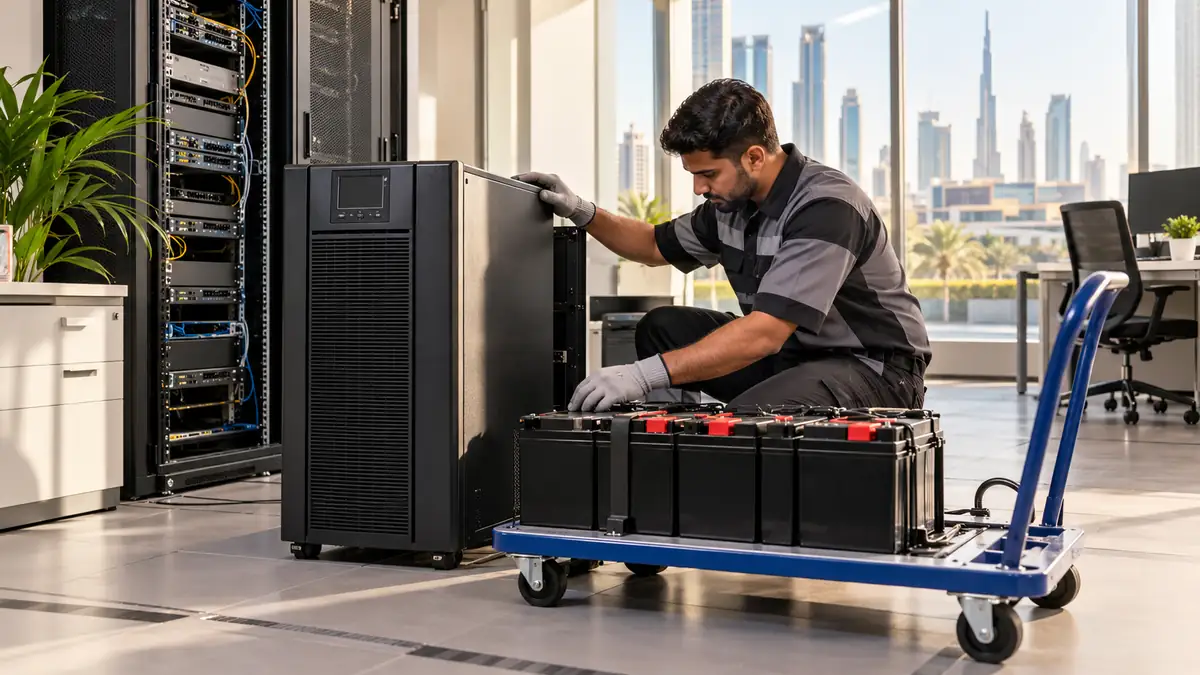
Slide each battery pack off its radio. Look for swelling, split casings, corrosion on the contacts or packs that run hot on the charger; those are isolated in a non-flammable container away from heat and declared to the receiver. Do not charge, press or open a damaged pack.
Healthy packs get tape over the terminals and go into a separate box. Lithium-ion and nickel-metal hydride packs both belong in battery recycling, never in office rubbish. Multi-unit chargers and power supplies are electronic waste in their own right and should be counted alongside the radios so nothing goes missing between floors.
Radios, chargers and battery packs are sorted into separate electronic and battery streams at the receiving facility.
Choose redeployment, dealer return or e-waste
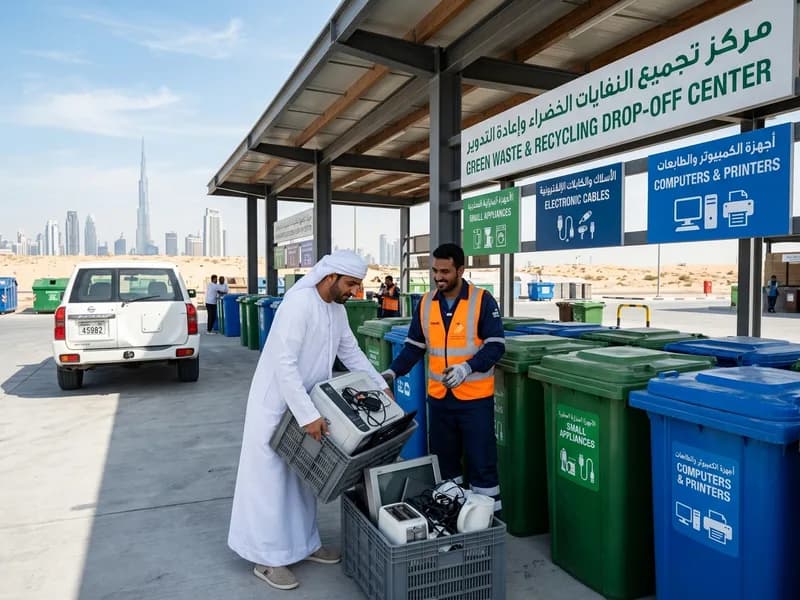
Working radios that are still supported can move to another site, be traded in with your dealer or sold once cleared. Obsolete analogue units, cracked housings and handsets with dead keypads go to electronic waste. Ask the receiver for a handover note listing quantities, serials if your policy needs them, and the batteries sent for recycling.
Can I give old radios to staff or another business?
Only after they are cleared of programming and keys, and only if the receiver is entitled to use the frequencies they will be reprogrammed to. Radios set to your licensed channels should not leave your control. Record the transfer, the serials and who reprogrammed them.
What if some radios are missing from the count?
Report the gap to whoever manages the radio system before the collection. On encrypted or managed fleets the administrator can often disable or remove a missing unit's access. Note the missing serials on the handover record rather than closing the count with an assumption.
Do multi-unit chargers need special handling?
They are standard electronic waste, but count them, keep their power supplies with them and remove any battery packs left in the slots. A charger rack with forgotten packs inside can short or overheat in transit, and those packs belong in the battery stream.
What details help quote radio collection?
Share the number of handsets, charger banks and battery packs, whether any batteries are swollen, and whether repeaters, base stations or antennas are included. Add the floor, loading bay rules, security access and any requirement for serial-level handover paperwork.
Planning a clearance in Dubai?
Send photos of what you need cleared on WhatsApp. Our team provides an instant, fixed upfront rate and handles elevator bookings and gate security smoothly.
Tags:#Two-Way Radio Disposal#Office E-Waste#Battery Safety#Asset Retirement
Dubai Junk Collection Editorial Team
Operations & Pricing Specialists
Specialists in residential and commercial clearances across Dubai since 2016. Committed to safe property handovers, compliant electronic waste disposal, and municipal green waste diversion.
 Ask a Question